Safety and facts
Emergency care, photos, witnesses, report number.
Understand common soft-tissue injuries, build a clear chronology, and know when an insurance question has become a legal one.
Medical emergency? Call 911. This site does not diagnose injuries.
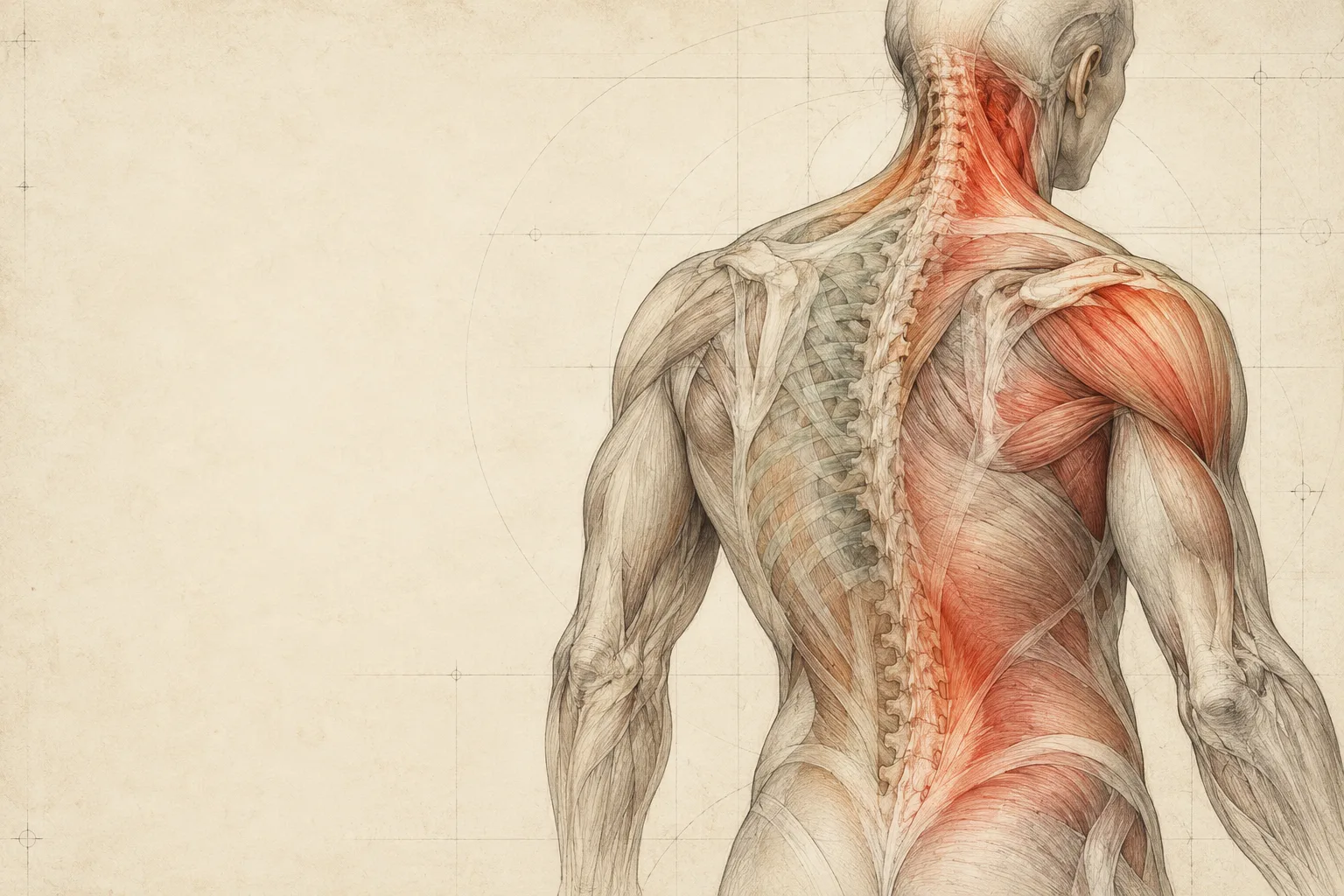
Neck & shoulder
02Upper back
03Low back
The medical record explains the injury. The incident record explains what happened. The life-impact record explains what changed.
Describe onset, movement limits, and warning signs accurately. Follow the clinician’s plan.
Keep photographs, reports, names, policy details, and every dated communication.
Track sleep, work, driving, lifting, and ordinary tasks in concrete terms.
A normal first image does not mean a person has no soft-tissue symptoms. Clinical history and examination still matter.Plain-language summary of NIH cervical sprain guidance
A coherent file does not inflate an injury. It lets a clinician, adjuster, or attorney see what happened without reconstructing months of scattered messages.
Build the file →Emergency care, photos, witnesses, report number.
Symptoms, affected areas, findings, restrictions.
Changes, referrals, work impact, daily limits.
Policy, correspondence, proof, unresolved questions.
California generally uses a two-year period for personal-injury lawsuits, but shorter or different rules may apply. Government claims are a common example. Get fact-specific advice early.
Read the deadline guide →Every core guide distinguishes medical information from California legal and insurance guidance. The library prioritizes NIH, California Courts, the Department of Insurance, and the State Bar—so readers can move from a plain-language explanation to the underlying authority.